

World Toilet Day
November 19 marks World Toilet Day and the Water Environment Federation (WEF), a UN-Water Partner is committed to engaging the water community in this public education effort. WEF is dedicated to supporting the UN Sustainable Development Goals (SDGs), with a focus on SDG 6, Clean Water and Sanitation.
SDG 6 calls for universal access to adequate and equitable sanitation and the end of open defecation by 2030. WEF, its members, and its strategic partners work to educate, build community, and communicate the importance of WASH, the key to hygiene and more equitable economic development.
This year’s focus is on “Accelerating Change”. The world is currently off-track, and we need to work five times faster if the 2030 goal is to be accomplished.
Quick facts:
- There are 3.5 billion people living without safe toilets and 2.2 billion people living without safe drinking water.
- 419 million people still go to the toilet in the open (‘open defecation’).
- 2 billion people - a quarter of the world's population - lack basic handwashing facilities at home to wash their hands with soap and water.
- Unsafe water, sanitation, and hygiene are responsible for the deaths of around 1,000 children under five every day. (UNICEF 2023)
- At the current rate, 3 billion people will still be living without safe toilets, 2 billion will be without safe drinking water and 1.4 billion will lack basic hygiene facilities by 2030. (WHO/UNICEF 2023)
BE THE CHANGE YOU WANT TO SEE IN THE WORLD
Your actions, no matter how small, can help tackle the sanitation crisis:
- Stop polluting: don’t put waste down the toilet and drains.
- Flush safe: empty full septic tanks and report dumping of sludge.
- Play your part this #WorldToiletDay www.unwater.org/bethechange
Everyone can do something to tackle the sanitation crisis and protect nature:
- Be curious: visit a treatment plant to see how your waste is managed.
- Take part in a clean-up of a river or lake.
- Join #WorldToiletDay and be the change www.unwater.org/bethechange
Be the change – do what you can to help tackle the sanitation crisis:
- Build pressure: write to your elected representatives about budgets for improving sanitation at home and abroad.
Join us by adding your voice and taking action to accelerate access to safe toilets and sanitation, protection of groundwater and moving toward the creation of a more equitable world. For more information on World Toilet Day visit: World Toilet Day | United Nations


Related Areas

Latest News

More WEF Blogs
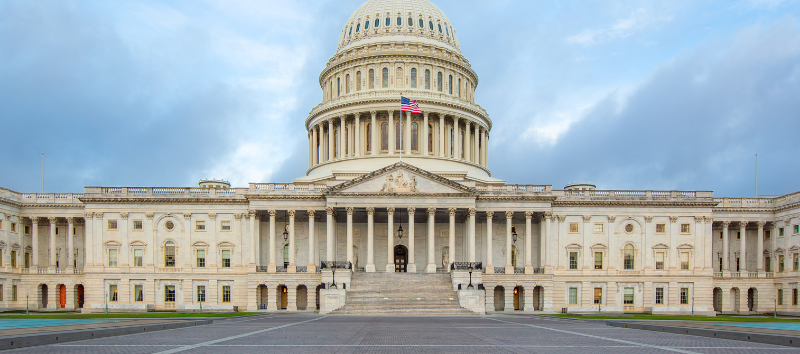
National Stormwater Policy Forum highlights sector needs
Funding, regulatory updates top list of 2026 priorities for U.S. stormwater sector Stormwater professionals from across the United States gathered in Washington, ...
Continue Reading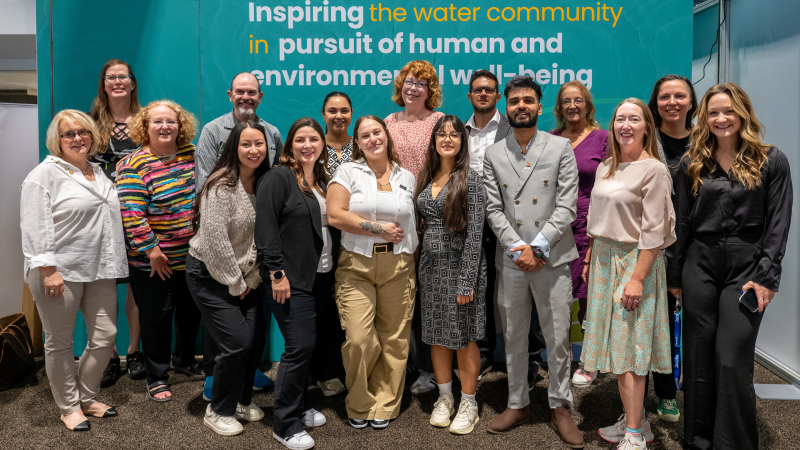
Applications are Open for WEFTEC 2026 Communications Scholars
Love water and storytelling? This scholarship can help you experience WEFTEC in person — and bring new ideas back to your team.
Continue Reading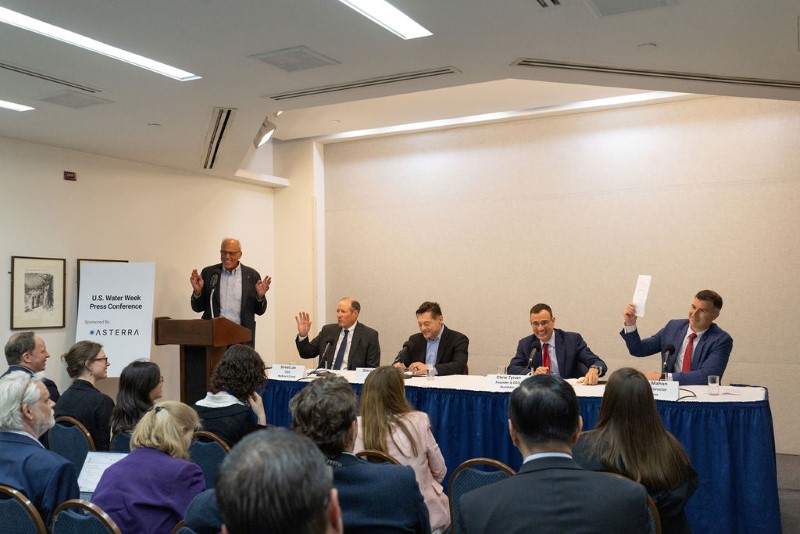
Water leaders, politicians discuss key issues during Water Week
“Where water flows, food grows.” Those words began an address from United States Rep. Jim Costa (D–California) during an ASTERRA-sponsored press ...
Continue ReadingWhere the Water Community Connects
See how WEF connects the people and ideas driving clean water and public health. Membership gives you access to benefits, resources, and a network committed to impact.