


WEF Joins the Engineering Workforce Consortium to Help Solve the Water Workforce Challenge
America’s water systems depend on a strong pipeline of engineers and skilled operators. That’s why the Water Environment Federation (WEF) is joining the Engineering Workforce Consortium (EWC), alongside the National Center for Women & Information Technology (NCWIT), to collaborate on solutions that grow, diversify, and sustain the workforce behind essential public works.
WEF brings practical, field-tested workforce development to the consortium through standout programs like the Water Leadership Institute, the Student Design Competition, Operations Challenge, and Veolia Workforce Academy—efforts that build leadership, strengthen technical capability, and help communities maintain and modernize water and wastewater infrastructure.
“Investing in the water workforce is fundamental to WEF’s mission and a central focus of our strategic plan,” said Ralph Exton, Executive Director of the Water Environment Federation. “We know real progress happens through collaboration, and that’s why WEF is thrilled to join the Engineering Workforce Consortium—working together to strengthen the engineering workforce and ensure the water community’s voice helps shape solutions that serve people and communities everywhere.”
Together, WEF and NCWIT strengthen EWC’s ability to address the workforce shortage from multiple angles:
- WEF connects EWC’s workforce initiatives directly with the water and wastewater professionals who design, build, and operate essential infrastructure.
- NCWIT brings more than two decades of experience mobilizing industry, academia, and government to expand the participation of women and underrepresented groups in technology and STEM careers.
The consortium leaders see WEF’s addition as a major step forward.
“The addition of the Water Environment Federation and NCWIT makes this consortium stronger, more diverse, and better equipped to meet the scale of the workforce challenge our industry faces. WEF brings deep roots in the water infrastructure community that is central to so much of what the Bipartisan Infrastructure Law is funding, and NCWIT brings a proven track record of expanding who enters and thrives in STEM careers,” said Linda Bauer Darr, ACEC President & CEO.
As investments in infrastructure accelerate nationwide, growing the water and engineering workforce is more urgent than ever. Through EWC, WEF will collaborate with partners across engineering, education, and technology to expand awareness of water careers, strengthen training pathways, and help communities build the talent needed to operate resilient water systems for decades to come.


Related Areas

Latest News

More WEF News

WEF Announces WEFTEC 2026 Opening General Session Speaker: Diana Kander, Unleash Your Curiosity
The water sector is navigating a period of tremendous change. Relying on technical expertise alone is not enough to address the challenges of aging infrastructure, ...
Continue Reading
Water Environment Federation Announces Incoming Officers; New Trustees Confirmed by House of Delegates
The Water Environment Federation (WEF) today announced that its House of Delegates confirmed the incoming Vice President, Treasurer, and trustees who will join ...
Continue Reading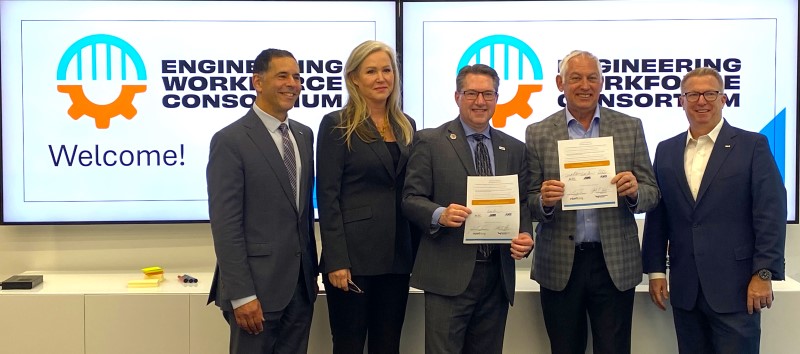
WEF Joins the Engineering Workforce Consortium to Help Solve the Water Workforce Challenge
America’s water systems depend on a strong pipeline of engineers and skilled operators. That’s why the Water Environment Federation (WEF) is joining the Engineering ...
Continue ReadingEXPLORE ALL PRACTICE AREAS
WEF is a source of high-quality technical resources featuring the latest research, news, and education. WEF's members and other credible resources have created and compiled this information into the Practice Area groupings listed in the dropdown menu.